Email marketing once claimed the title of highest-ROI channel, reliably filling pipeline and driving results. But lately, it feels broken. Fewer opens, near-zero replies. Campaigns that once worked are suddenly invisible.
Here’s the truth: email is far from dead. What’s disappeared is the old way of doing it. Modern inboxes, machine-learning spam filters, and stricter platform policies have flipped the rules. Today, your results hinge less on what you write and more on how you send, structure, and personalize outbound email.
Let’s unpack why traditional mass email fails, what’s changed under the hood, and exactly how to build a future-proof outbound system that earns replies—and revenue—in 2024.
The core problem: inboxes got smarter, not colder
The myth persists: “People just don’t read email anymore.” In reality, email consumption is rising. The real shift? Human recipients are no longer your first gatekeepers—inbox algorithms are. Getting seen now means earning a vote from both machine and person, and most senders don’t even survive the first filter.
Inbox overload: why mass email gets ignored
We’re living in an era of inbox abundance:
- Over 375 billion emails get sent globally every single day.
- The average professional faces 100+ emails daily.
- Most filter their inbox, not with their eyes, but with their thumbs—scanning and deleting or ignoring anything that doesn’t feel personal.
Here’s what happens: Recipients scan subject lines. Most immediately dismiss anything that looks automated. Marketing-looking emails? Instantly triaged into oblivion. If your emails resemble mass mail—templates, generic copy, obvious mail merges—they’re filtered before they’re even read. Volume does not equal visibility.
Engagement-based filtering: the real gatekeeper
Today’s major inbox providers (Gmail, Outlook, Yahoo) base email placement on engagement, not just authentication or sender intent. They monitor:
- Are your emails opened or deleted?
- Do recipients reply or swipe straight to spam?
- What’s your complaint rate?
Low engagement equals future invisibility. It’s a snowball: generic, “blasted” campaigns get ignored, which damages sender reputation. As reputation tanks, your emails get relegated to the spam or promotions folder—often for good. Even brilliant content can’t perform if it never sees the light of day (Google Sender Guidelines; Yahoo Sender Best Practices).
Bulk sending: why old platforms sabotage deliverability
If you’re sending thousands of emails a day from a single domain or inbox, you’re tripping the exact alarms modern filters are trained to catch:
- Sudden volume spikes
- Duplicated content
- Obvious one-to-many sending footprints
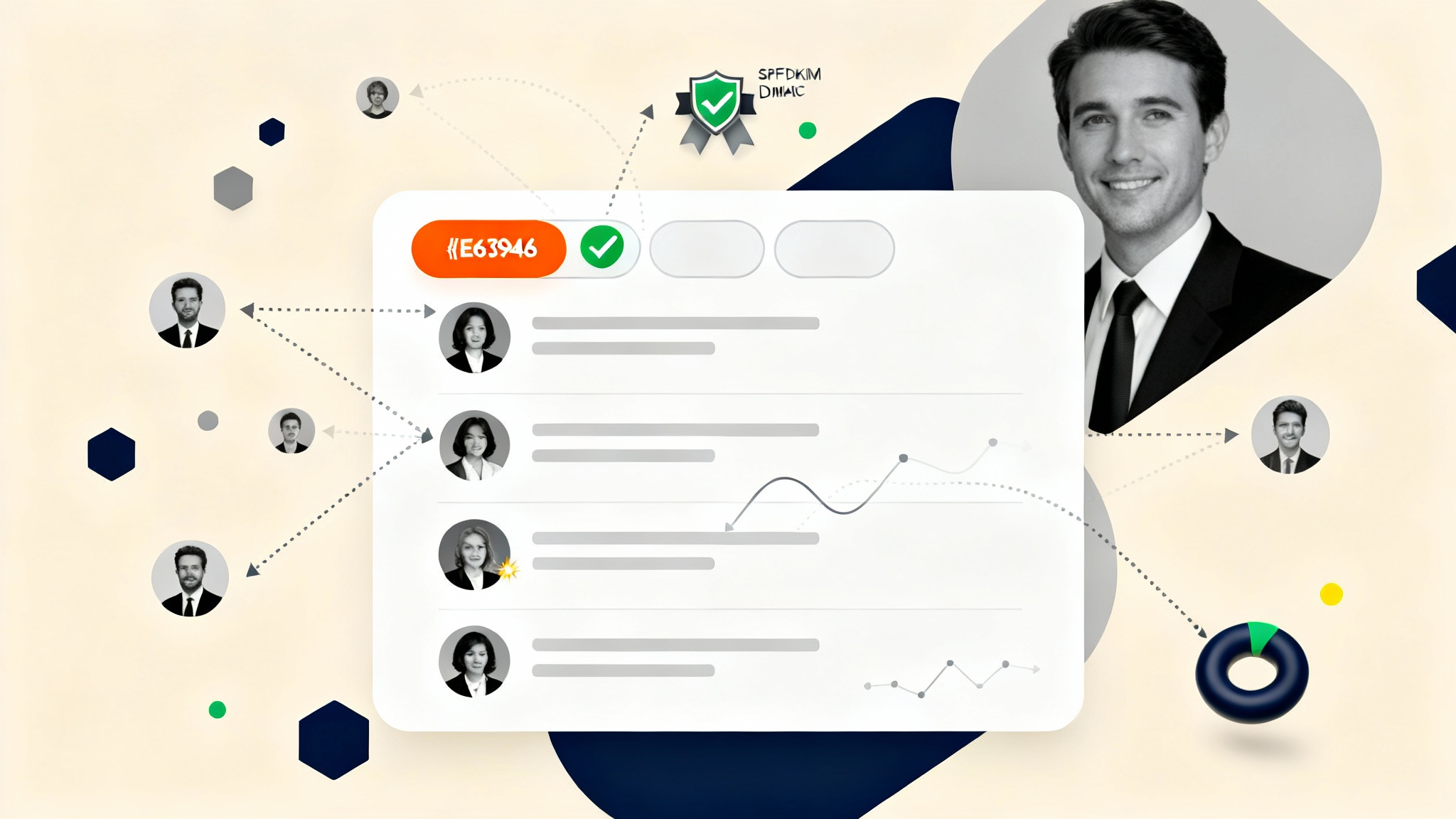
Policy updates now require strict authentication (SPF, DKIM, DMARC) and minimal complaint rates—fail these, and your entire domain’s reputation nosedives. Legacy email marketing platforms, built for newsletters, simply weren’t designed for this outbound reality.
The personalization gap is sinking performance
Smart buyers sniff out “personalization” that’s just a name token and a recycled offer. Generic, one-size-fits-all emails are ignored on sight. True personalization today means:
- Dynamic content tailored to industry, account, or activity
- Messaging shaped by data and behavior
- Contextual relevance—why this, why now?
Every data set shows: relevance and context drive replies, not clever copy tricks. One-to-one always outperforms one-to-many.
Why outbound platforms like Smartlead exist
Outbound email leaders aren’t just delivering more emails—they’re delivering differently. These platforms were invented to:
- Appear human to inbox algorithms
- Land messages in the primary inbox reliably, at scale
- Automate personalization and engagement without risking sender reputation
The best tools are the ones that place infrastructure—authenticate, segment, warm up, rotate senders, monitor engagement—at the core.
How modern outbound email actually works
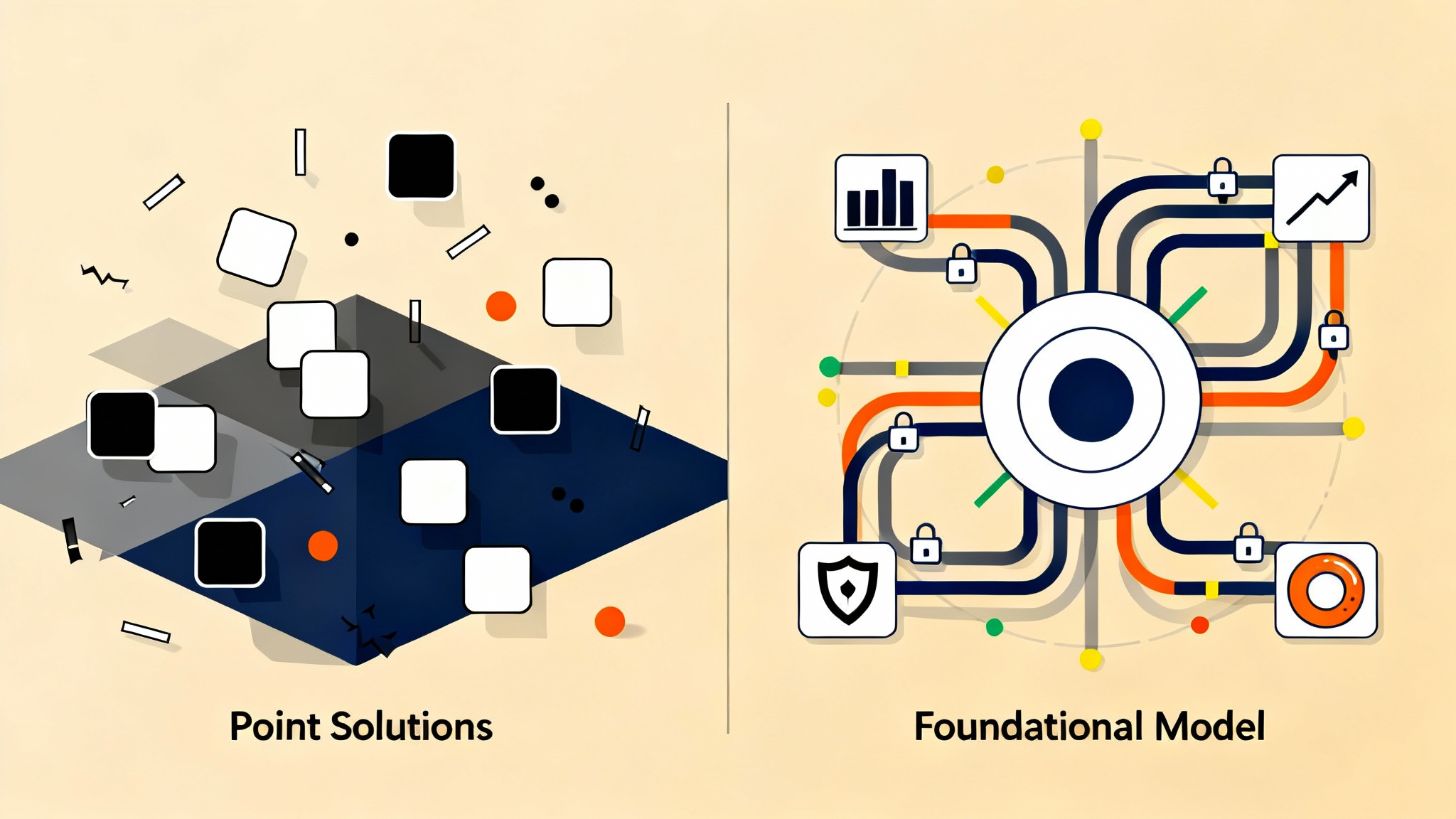
Distributed sending, not bulk blasting
Instead of firing 5,000 emails from one inbox, modern systems send smaller volumes from dozens (or hundreds) of distributed inboxes. Each sends a safe number, mirroring human interaction and keeping domains in the algorithm’s good graces.
Automated warmup and health monitoring
Best-in-class platforms now run continuous “warmup” behind the scenes. They simulate conversations, register opens and replies, and slowly increase send volume, all the while monitoring inbox placement health. This isn’t optional—without it, ramping up volume nearly guarantees a trip to the spam folder (Smartlead).
Personalization at scale (that doesn’t scream ‘bot’)
Today’s outbound systems move beyond simple tokens. Email copy adapts in real time to recipient behavior, past conversations, industry cues, or product usage, powered in part by AI. When it works, every message comes off as timely and individually relevant.
Human-style sending patterns
Algorithms reward behavior that feels authentically human:
- Randomized send times
- Volume throttling
- Stopping sequences on reply
- Threaded, plain-text-like emails
No more “Monday at 9am” blasts.
Centralized control, distributed risk
Replies funnel to one inbox. Analytics roll up for easy reporting. But sender reputation is spread out, reducing the risk that one misstep derails the entire program. No more “all eggs in one domain” disasters.
Why this approach beats traditional mass email
For years, teams chased scale: send more, reach more. But now:
- Delivery is earned, not guaranteed
- Engagement, not activity, is the primary signal
- Precision wins over brute-force volume
Outbound today isn’t just technical—it’s philosophical.
The competitive landscape: choosing your stack
Smartlead
Best for high-volume teams focused on deliverability and scalability; supports unlimited inboxes, deep agency controls.
Instantly
A user-friendly all-in-one for teams who prioritize simplicity and clean data.
Lemlist
Top-tier creative personalization and multichannel outreach, better suited for quality over quantity.
Saleshandy / Smartreach
Efficient, budget-friendly options for agencies and focused outbound teams. The right tool matters—but your approach matters more.
From mass blast to one-to-one: the Fullstride advantage
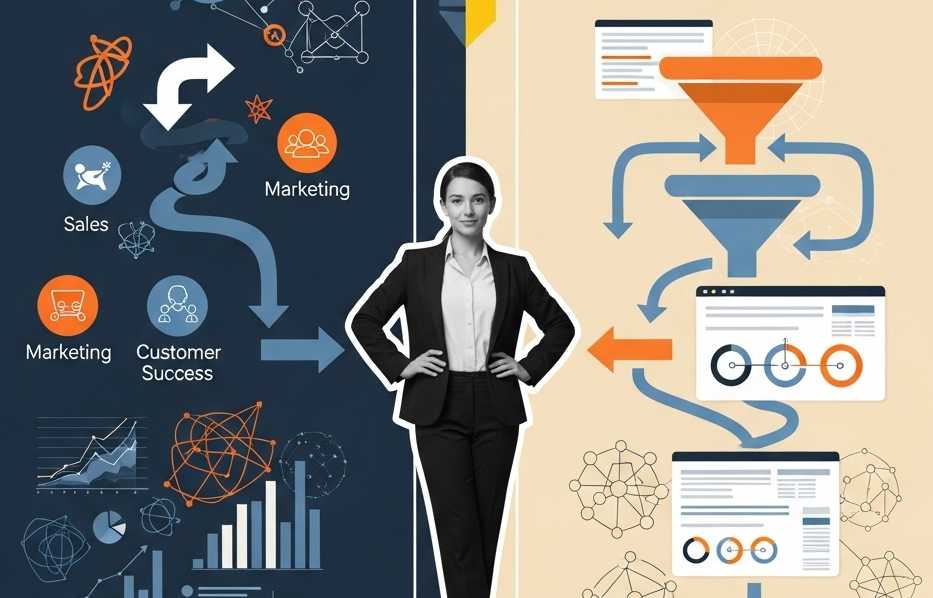
Email hasn’t stopped working. What’s ineffective is the “broadcast” mindset—blasting out static lists and hoping for pipeline. Fullstride builds deliverability-first systems:
- Authenticate and segment every sender identity (SPF, DKIM, DMARC)
- Use AI-powered warmup routines
- Rotate domains, inboxes, and sending schedules
- Orchestrate adaptive, personalized campaigns that mimic real human behavior
- Monitor reputation relentlessly with live dashboards, thresholds, and auto-remediation
With this system, you earn primary inbox placement, sustain sender health, and create pipeline you can track, forecast, and repeat.
The 2024 blueprint for marketing directors: what to do next
Email marketing has become an engineering discipline. Success now depends on:
- Fortifying deliverability before focusing on copy
- Authentic, contextual personalization at every touch
- Engagement-driven ramp-up and segmentation
- Real-time monitoring and proactive remediation
Here’s your immediate action checklist:
- Authenticate every sender and domain.
- Separate and segment outbound from transactional streams.
- Employ AI-driven warmup and distributed sending from day one.
- Contextually personalize and adapt campaigns based on engagement.
- Track placement, complaints, replies, and iterate weekly.
Measure what matters: primary inbox rates, replies per thousand, sender/domain reputation health.
Conclusion: mass email is out. Relationship email wins.
If you treat email like a relationship channel—a tool for conversations, not broadcasts—you’ll find it’s as effective as ever. But keep treating it like a megaphone, and the inbox will silence you. Ready to engineer a revenue-driving email system? Start with core infrastructure. Build for the new inbox reality. Personalize with intention—not just technology. Looking to lead your category with reliable outbound email? Fullstride will help you build, monitor, and scale the right way—so your message lands with the right people, every time.