Running a 10-person startup, I wore just about every hat there was—sales, product, fundraising, even the occasional late-night IT fire drill. Competing with bigger, better-funded teams meant there was zero margin for wasted time, budget, or burn-out. That relentless push to do more with less is universal for small and mid-market businesses. Your speed and agility are vital, but resources are always tight, and every hiring or outsourcing decision can swing growth one way or the other.
Here’s the reality: knowing what to keep in-house and when to call in outside specialists is the difference between steady traction and stalled growth. Apply this strategic filter wisely, and you’ll scale faster, avoid costly missteps, and keep your team focused where they deliver the biggest impact.
The hidden costs of doing everything internally
It’s tempting to DIY everything—from SEO and marketing automation to technical integrations—especially with a hungry, adaptable team. But in most small and mid-market firms, that means stretching people into complex roles they’ve never trained for (or wanted). This is a recipe for wasted budgets, mediocre execution, and demoralized teams.
Research shows 68% of mid-market firms lack a dedicated marketing operations team, so founders and execs are constantly pulled into the weeds, micromanaging campaigns and wrangling tools that should drive scale, not create headaches.
It’s crucial to recognize: if your team is overwhelmed or under-skilled for a mission-critical task, it’s not their fault—they’ve simply been set up without the right support or training.
The power of outsourcing specialists
When you hire an outside expert or agency, you’re getting someone who survives on delivering results. They’ve built entire careers (and probably thriving businesses) by staying at the cutting edge, and their reputation depends on outcomes, not just effort.
Benefits of outsourcing for a small business:
- Fractional expertise on demand: Access CMO-level strategy, technical wizards, or creative rainmakers without paying full executive salaries.
- Rapid adoption of new tech: AI, APIs, automation—outsourcers have playbooks and proof points ready to deploy.
- Niche skill sets: Need specialized SEO, campaign management, data scrapers, or complex integrations? Partners live here full time and pass that capability on to you.
During my own founder journey, we relied on freelance developers, data pros, social media strategists, and SEO writers. The result wasn’t just faster shipping and sharper marketing—it directly fueled our company’s valuation at exit.
Where outsourcing makes the most sense
Not every task should be outsourced, but there are clear sweet spots where outside help is a force multiplier:
- Product development and integrations: Custom APIs, automation for scaling RevOps, unique workflows—these are ideal for partners with deep, targeted skills.
- Marketing execution: From SEO and blog content to paid advertising and campaign automation (especially with AI speeding things up), outside experts bring speed and fresh tactics.
- Data-heavy work: Scraping, analytics, migrations, CRM/HubSpot audits. External specialists deliver clarity quickly—no need to reinvent the wheel in-house.
- AI and automation: This emerging category lets partners apply AI across sales, marketing, and customer success in ways most small teams can’t match on their own.
What to keep in-house
Guard your core. Some things are simply too important or foundational to trust to outsiders:
- Company vision and values
- Brand positioning and go-to-market strategy
- Mission-driven leadership and customer relationships
- Core product IP and key decision-making authority
Winning teams blend these strengths with a hybrid model: internal champions set the direction and culture, while fractional execs and partners bring in the firepower to execute at pace.
The new outsourcing frontier: AI partnerships
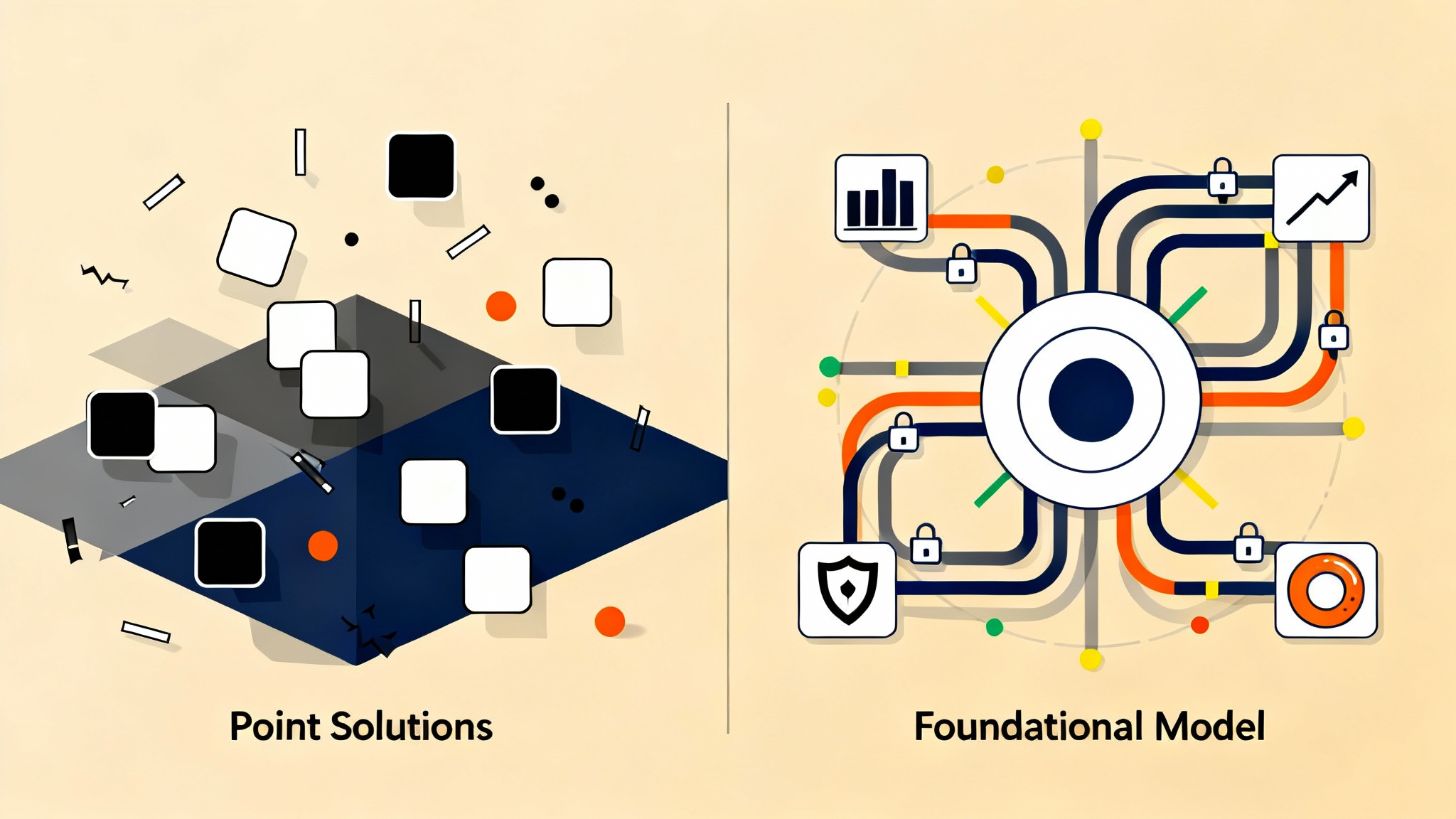
Outsourcing used to mean hiring a marketing agency or specialist per function. Now, AI-powered partners orchestrate across multiple channels—content creation, ad campaigns, demand forecasting—in an integrated, higher-leverage way.
Here’s the question every growth leader should ask: “Can I really afford this as a full-time hire? Do we have the right skills in-house? Or is partnering the smarter, more scalable path?”
Savvy founders are seeing major savings and ROI. Keeping my own team lean (just 10 people), then layering in proven specialists and AI-driven partners, let us go toe-to-toe with and eventually outpace large, well-funded competitors. That combo fueled our eight-figure exit.
- Quick costs to keep in mind: HubSpot audits range from $150–$1,000; marketing retainers often run $3k–$10k/month. These amounts are drops in the bucket compared to full-time roles, especially when you factor in benefits and payroll taxes.
Conclusion: focus your firepower
Outsourcing isn’t about slashing costs—it’s about accelerating growth and focusing your best energy on what truly moves the needle. The right mix of internal vision and external expertise lets you punch above your weight and scale without unnecessary bureaucracy or burn.
If a 10-person company can navigate resource constraints to nail an eight-figure exit by leveraging specialist partners, just imagine what your team could accomplish with the same playbook. Want clarity on your own talent gaps or bottlenecks?
Curious what to outsource in your RevOps? Start with a HubSpot Audit or AI Readiness Review to see where the right partners can unlock your next chapter of growth.
Ready to map your next step? Let’s explore how Fullstride’s network of specialists and AI innovators can help you outpace the competition.